

SERIO
Specialist Evaluation and Research Services
Based within the Research and Innovation department of the University of Plymouth, SERIO is an applied research unit offering specialist evaluation and research services both regionally and nationally.
Listening closely to clients' objectives
We work with public, private and third sector organisations, providing bespoke services tailored to our clients’ needs.
Our client-focused approach, coupled with advanced research methods, positions us as industry leaders in decision-making and strategy development.
SERIO Overview

Our Services
SERIO offers a wide range of specialist services covering evaluation; bespoke research; and policy and strategy development.

Our Projects
Take a look at some of the projects we have undertaken in the past, as well as several of our ongoing contracts.

Our People
Meet our dedicated experts, collaborating seamlessly to deliver impactful research solutions and valuable insights for our clients.
Our Experience
-

15+ years experience
-

500+ projects
-

250+ clients
-

National, regional and local projects
Meet our team
-

Rich Adams
Business Engagement Manager
-

Melanie Brooks
Research Manager
-

Donna Vascott
Research Manager
-
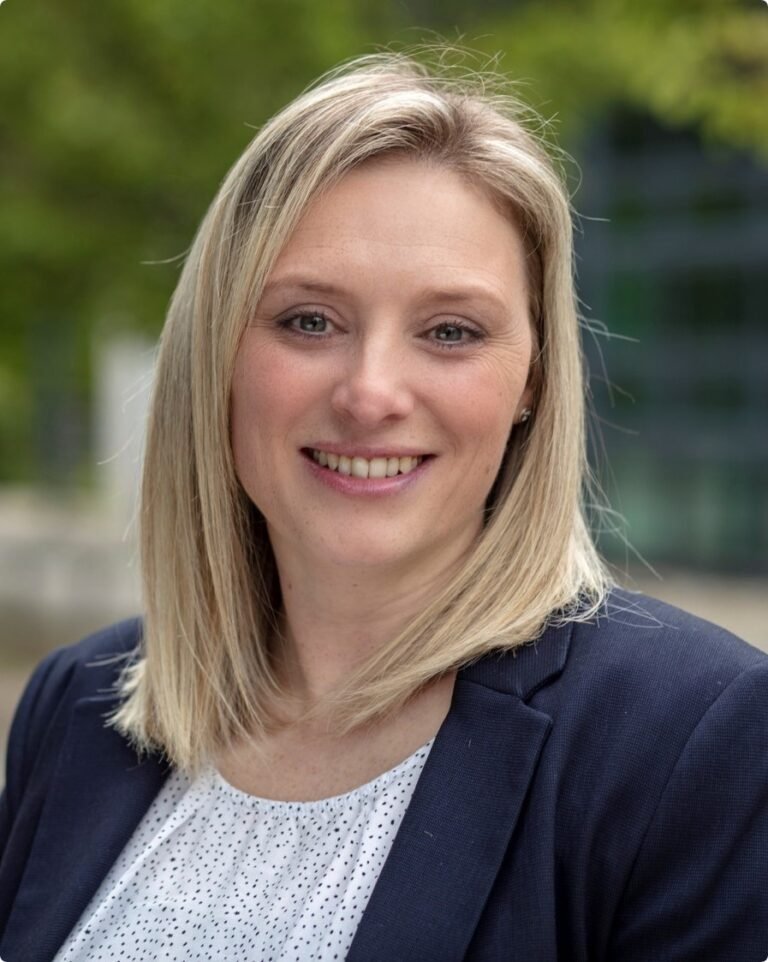
Rachael Skelton
Research Manager
-

Helen Barrett
Researcher
-

Aimée Ralls
Researcher
-

Adam Bennet
Researcher
-

Kit Towner
Graduate Research Intern
“We worked closely with colleagues at SERIO for two years on the external evaluation of our Plymouth Pathfinder work. The surveys and interviews, both at the outset and completion of the work resulted in a comprehensive report that proved insightful in identifying the future direction of this work. Collaborating in the way we did enabled us to understand how best to engage with vulnerable young people and the adults they come across in future.’’
Dr. Ruth Harrell, Director of Public Health, Plymouth City Council